
24 hours in Beijing
How to explore the Chinese capital like a local.
BY ANG QING, MANNY FRANCISCO | PUBLISHED NOV 3, 2025
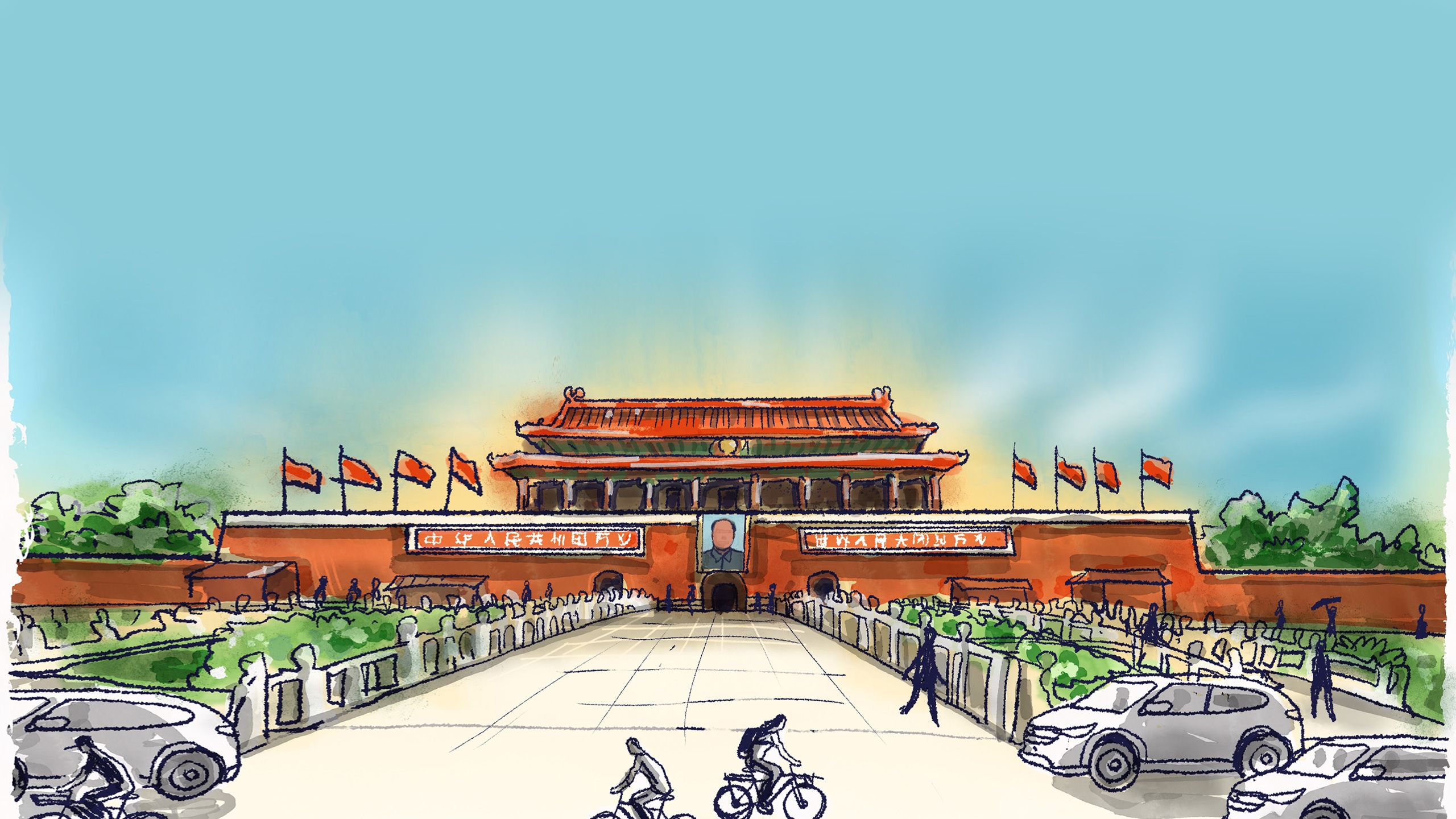

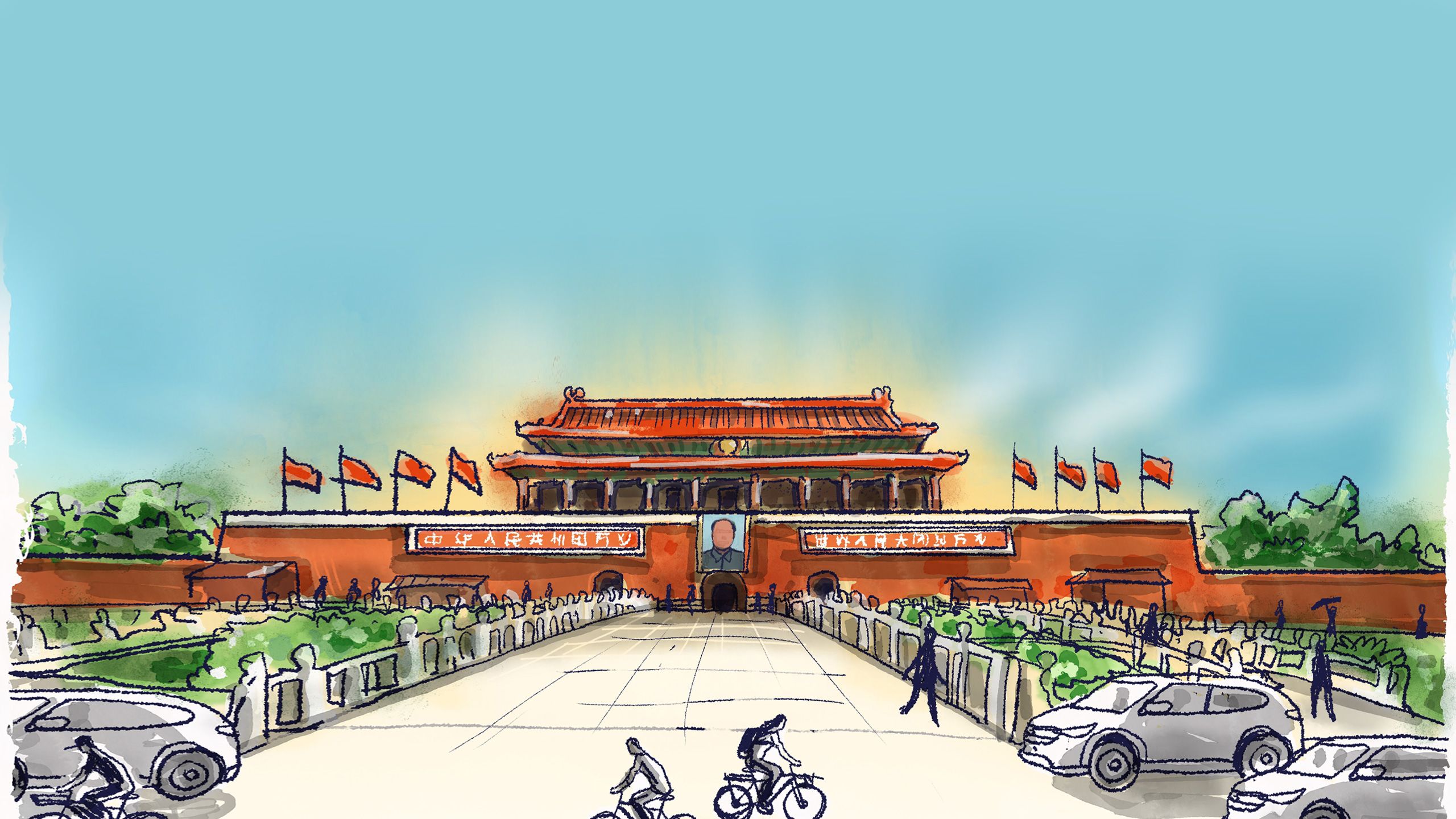
It is October 2024 when I arrive in Beijing,
where I will spend three months reporting on the Chinese capital.
International tourism in China is on the rebound after one of the world’s longest border closures lifted in January 2023. China received about 132 million foreign tourists in 2024, recovering to 97.2 per cent of pre-pandemic levels, according to the country’s Ministry of Culture and Tourism.
Many visitors flock to Beijing, home to China’s political elite. The city has enough to keep travellers occupied for a few days, so here are some of its quirks and highlights, seen through the eyes of a solo expatriate.
Waking up to silent streets
For a capital city, the roads of Beijing are surprisingly silent, a testament to the rapid growth of China’s electric vehicle (EV) industry. One in 10 cars on Chinese roads is an EV, according to the International Energy Agency, a Paris-based inter-governmental organisation, in its report published in May. For comparison, one in 20 cars in Europe is an EV.
Despite living in the heart of the capital, the sound of traffic does not disturb my sleep during the morning rush hours of 7 to 9am.
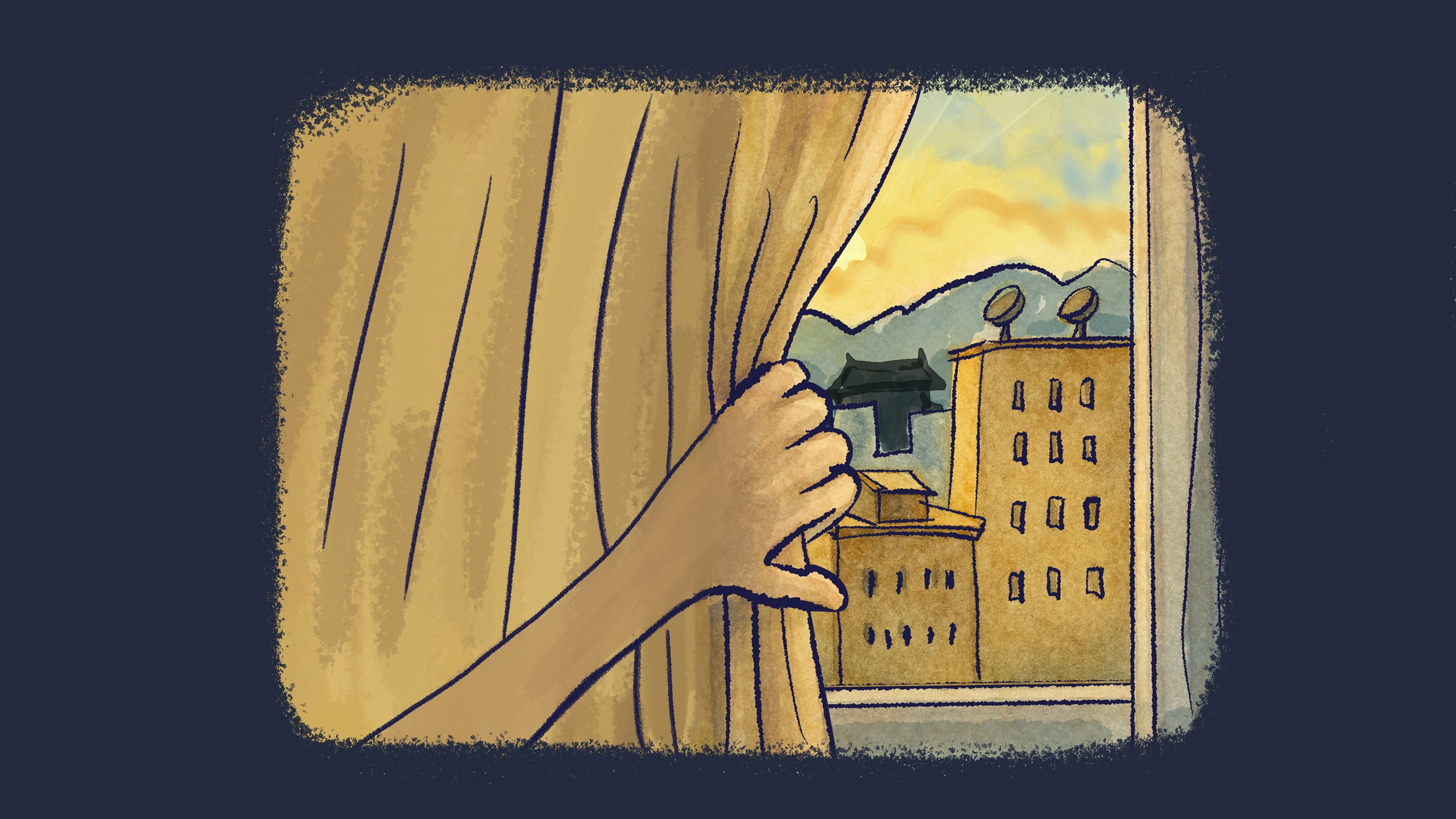
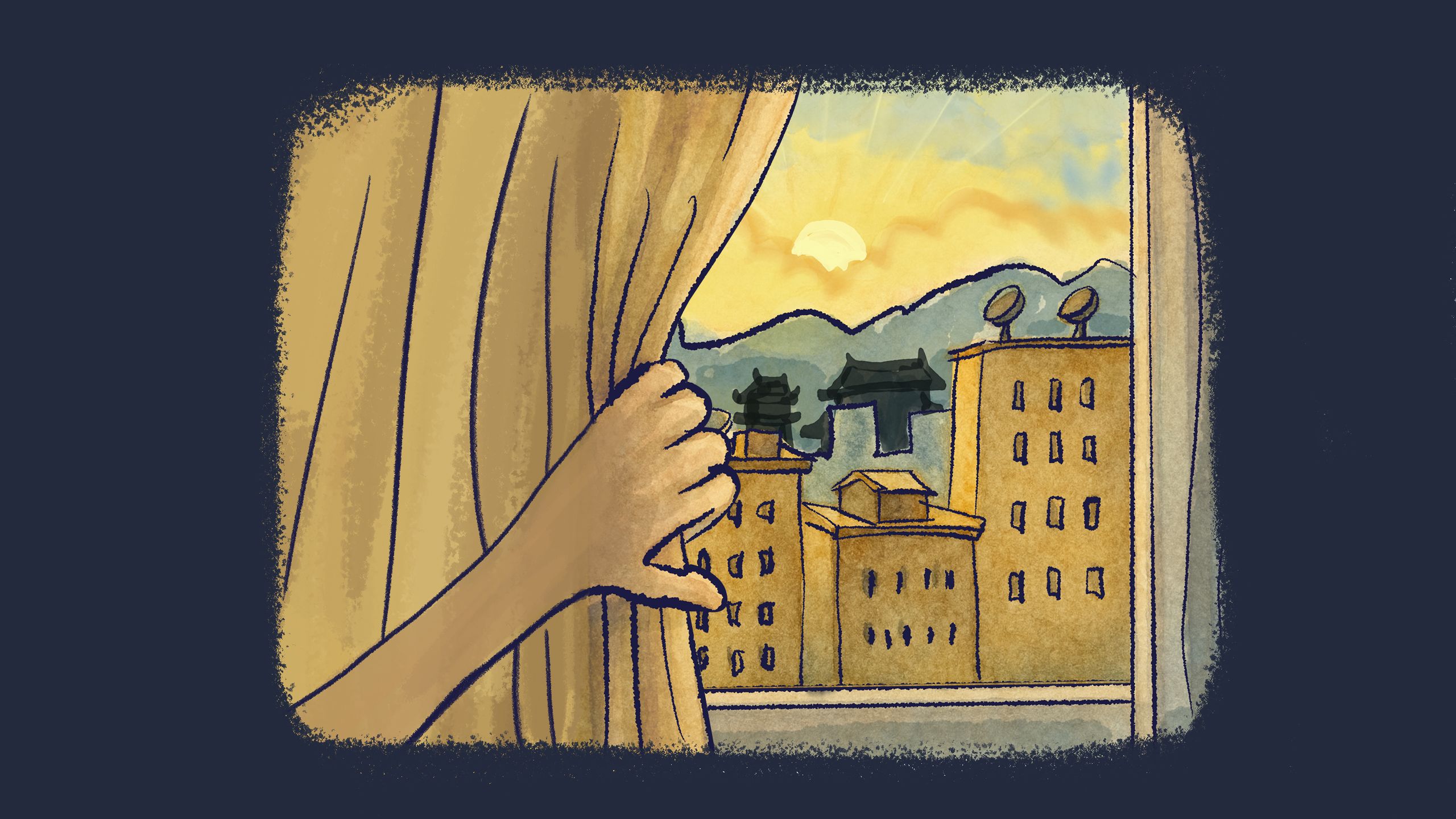
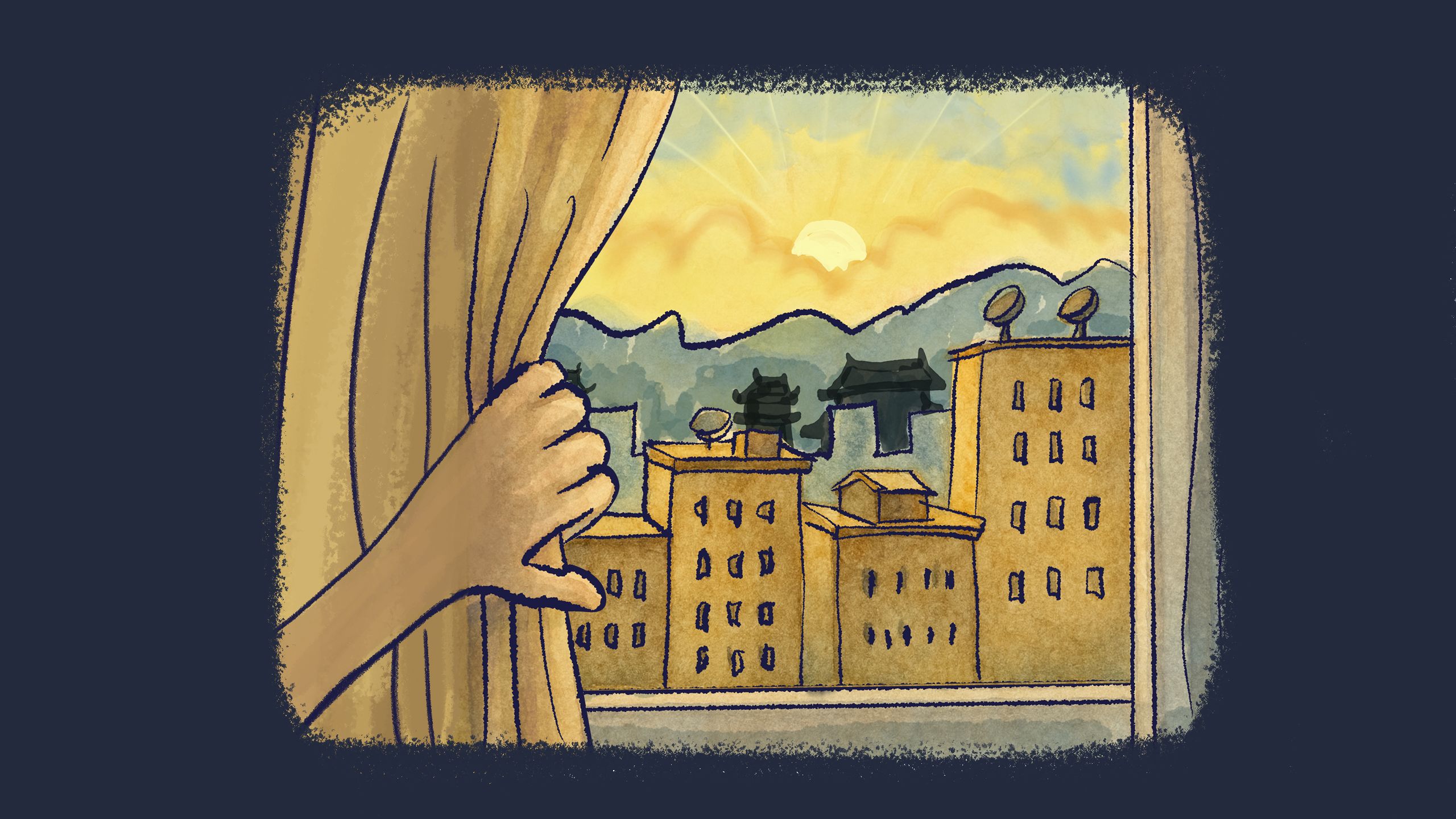
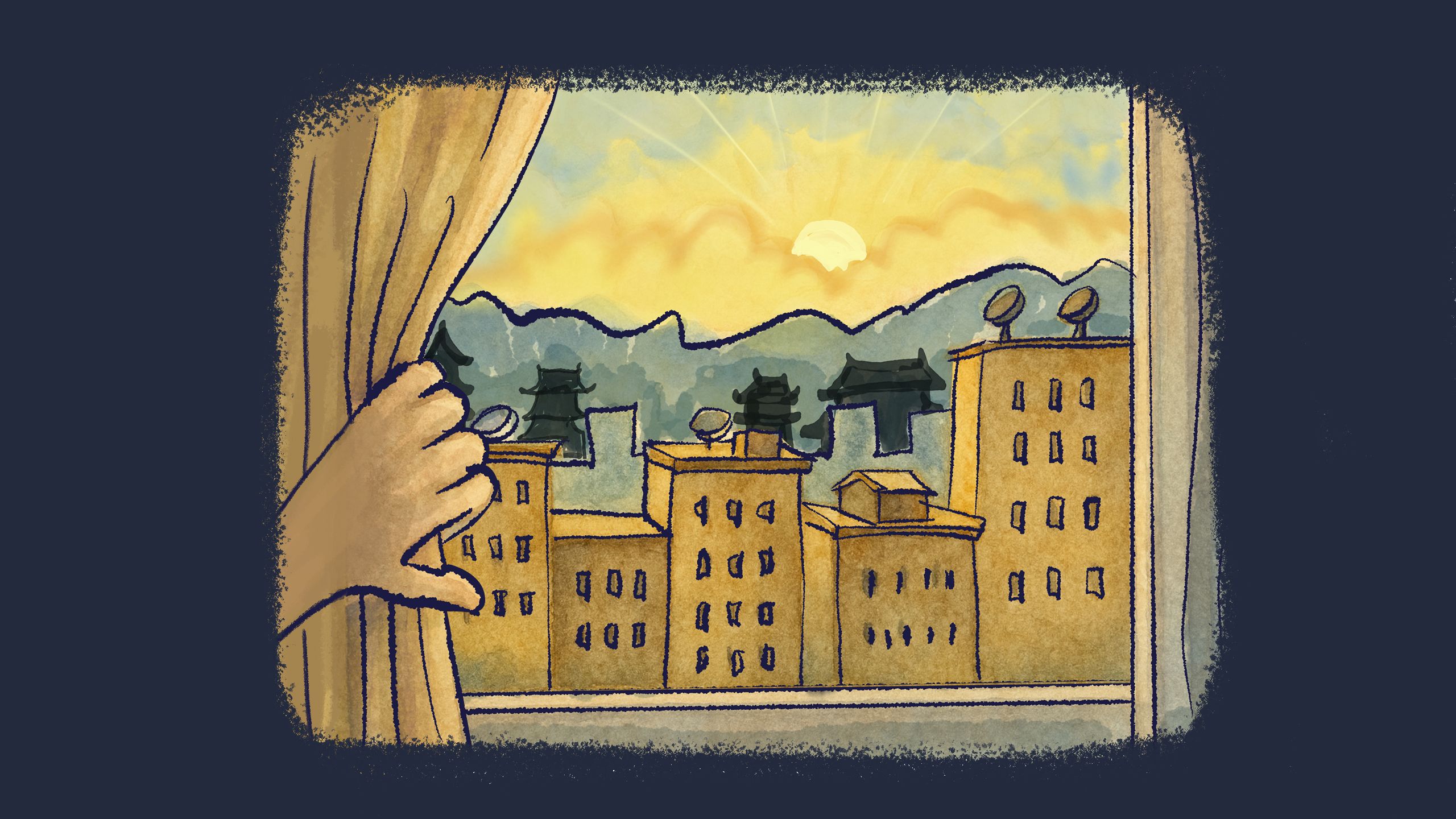
The first thing I do when I wake up is look out the window to check the air quality. If a hill in the distance is obscured by smog or the weather forecast reports high levels of pollution, I will spend my day indoors.


Robot-delivered breakfast

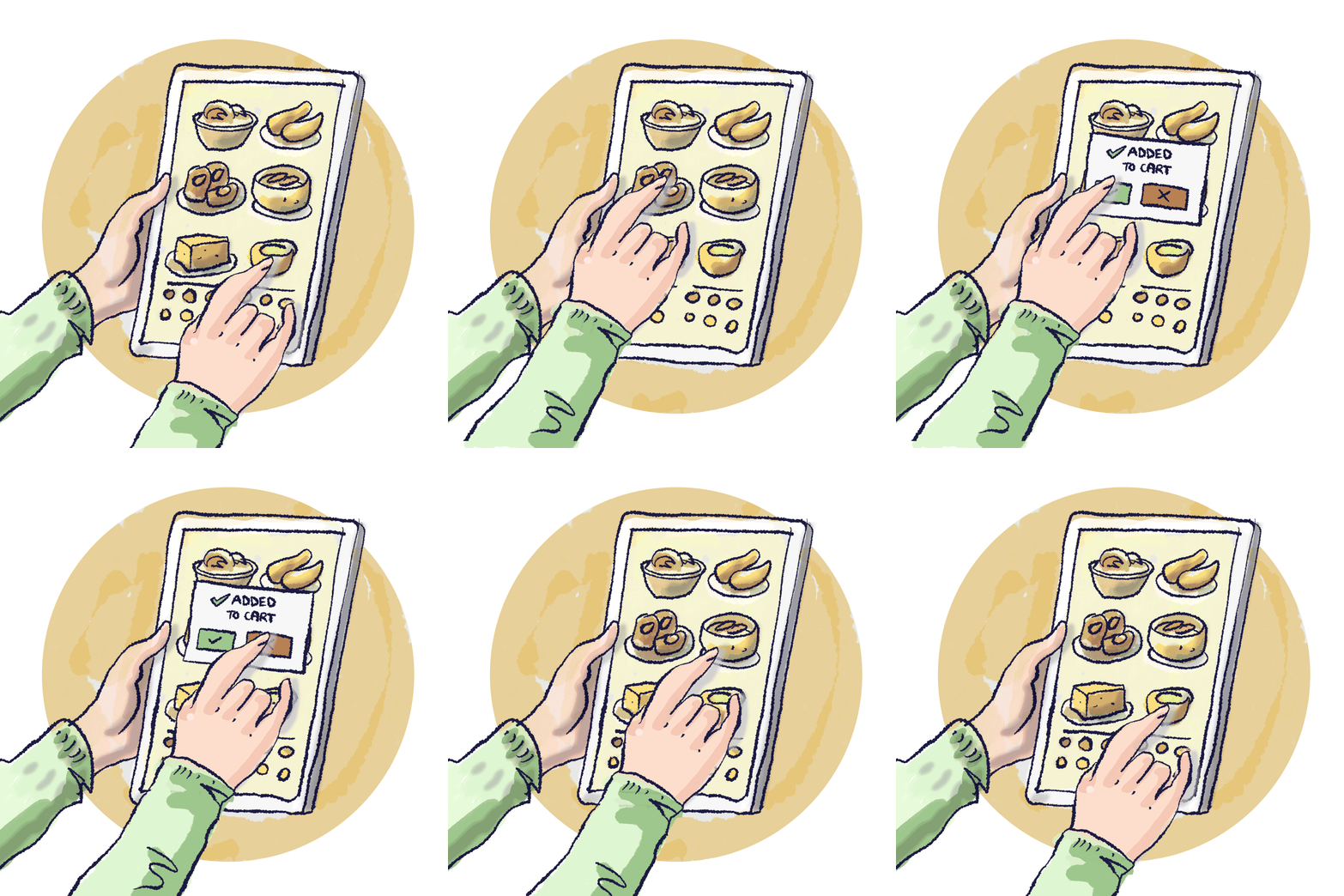
I usually order dim sum for breakfast on popular food delivery platforms Meituan (meituan.com) or Ele.me (ele.me). Payment is made through WeChat or Alipay, two super apps on which most of China’s cashless transactions take place. These can be linked to international credit or debit cards.
Setting up a Chinese phone number is helpful for downloading apps in China’s ecosystem. This can be done by buying a SIM card, available from major telecom providers in the airport and around the city, and setting it up in your mobile phone.

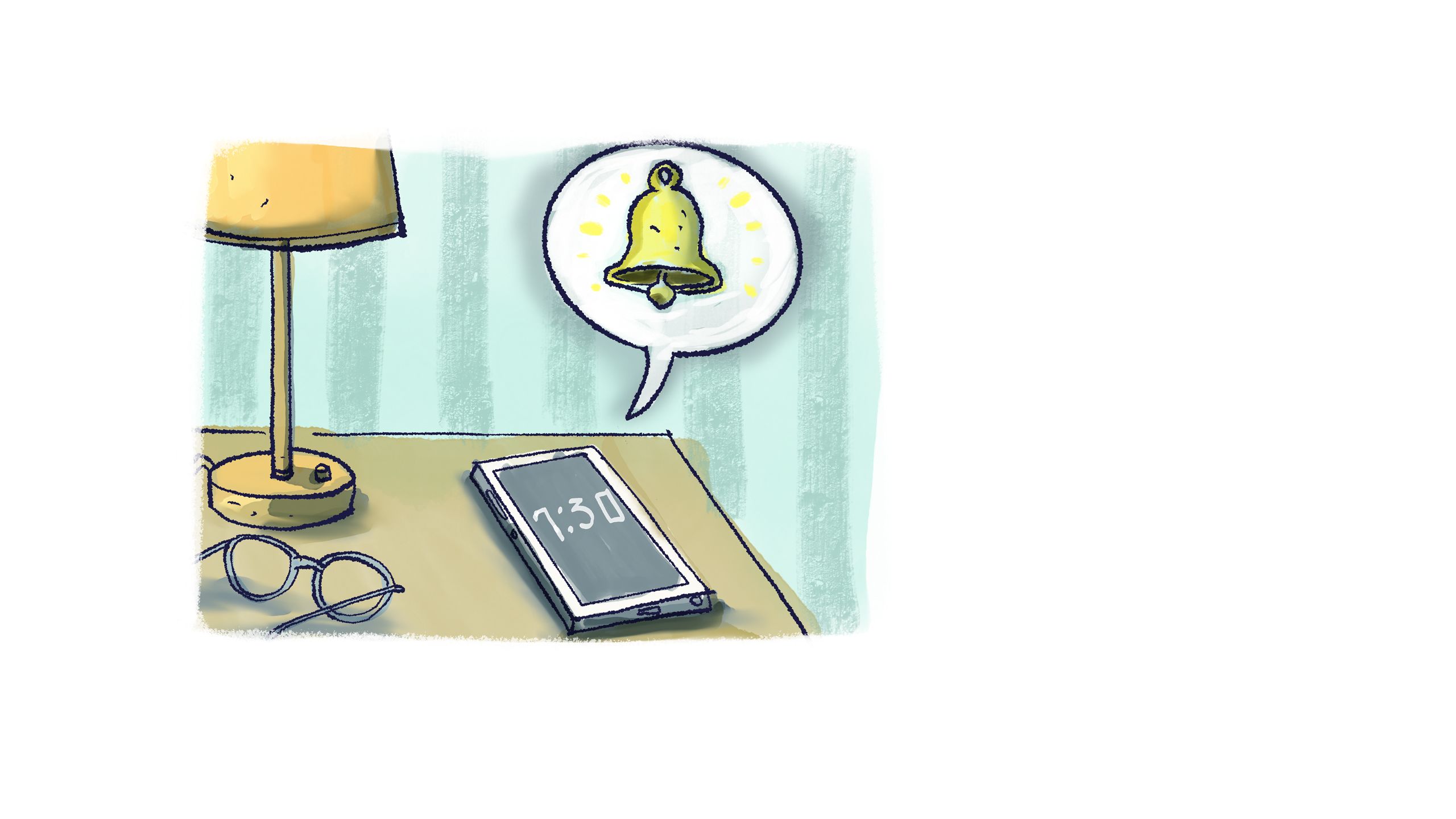

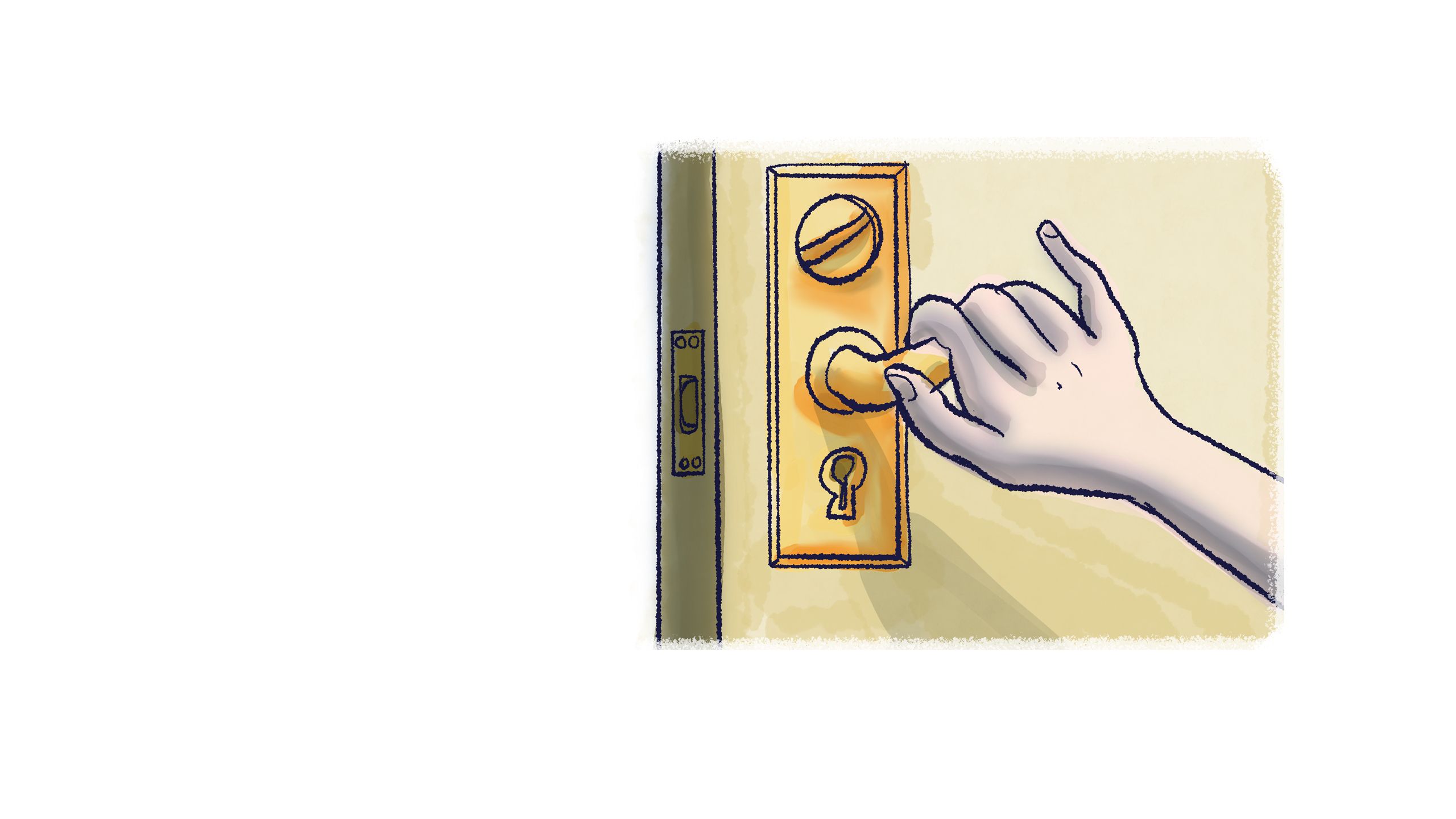

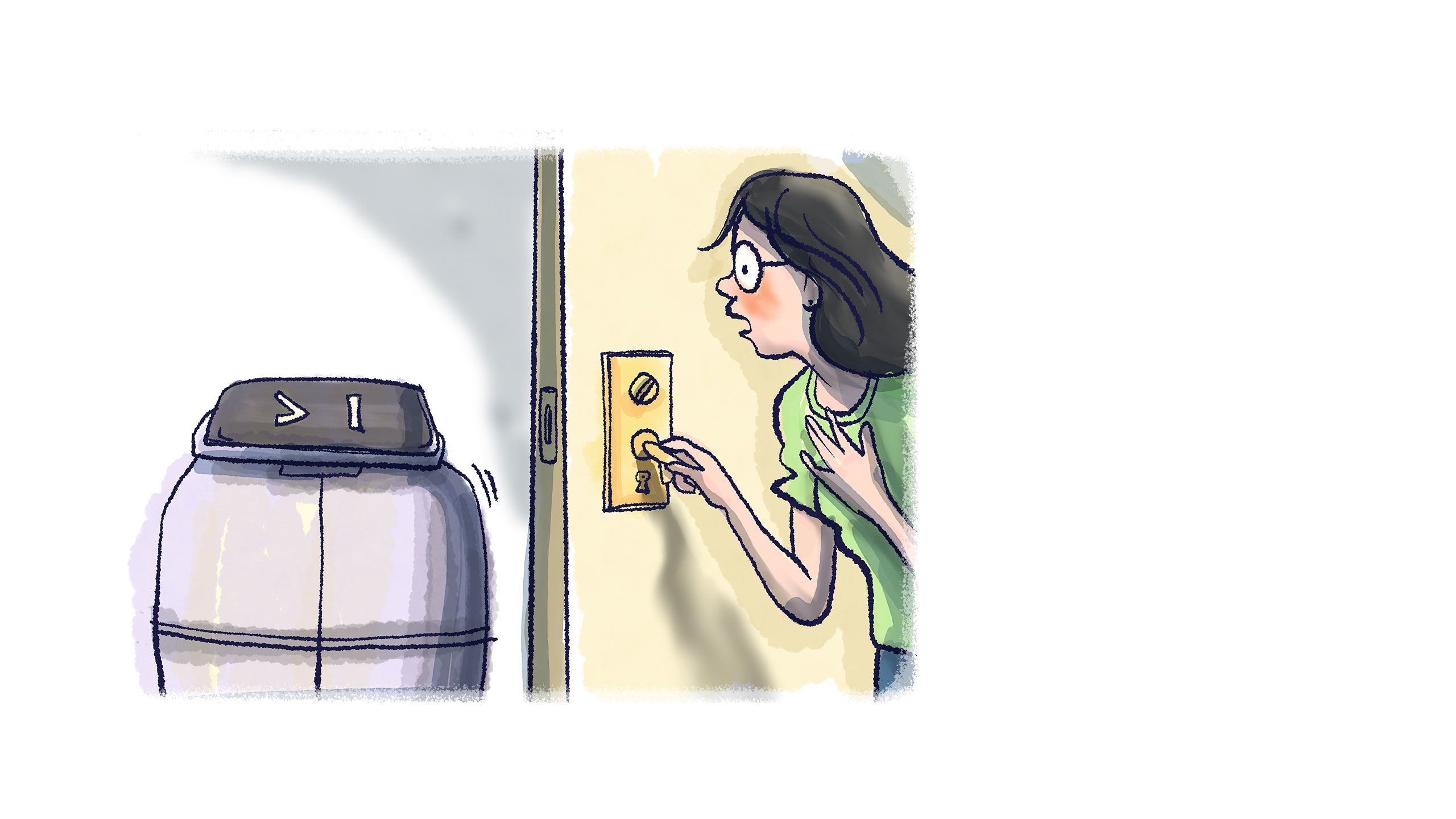

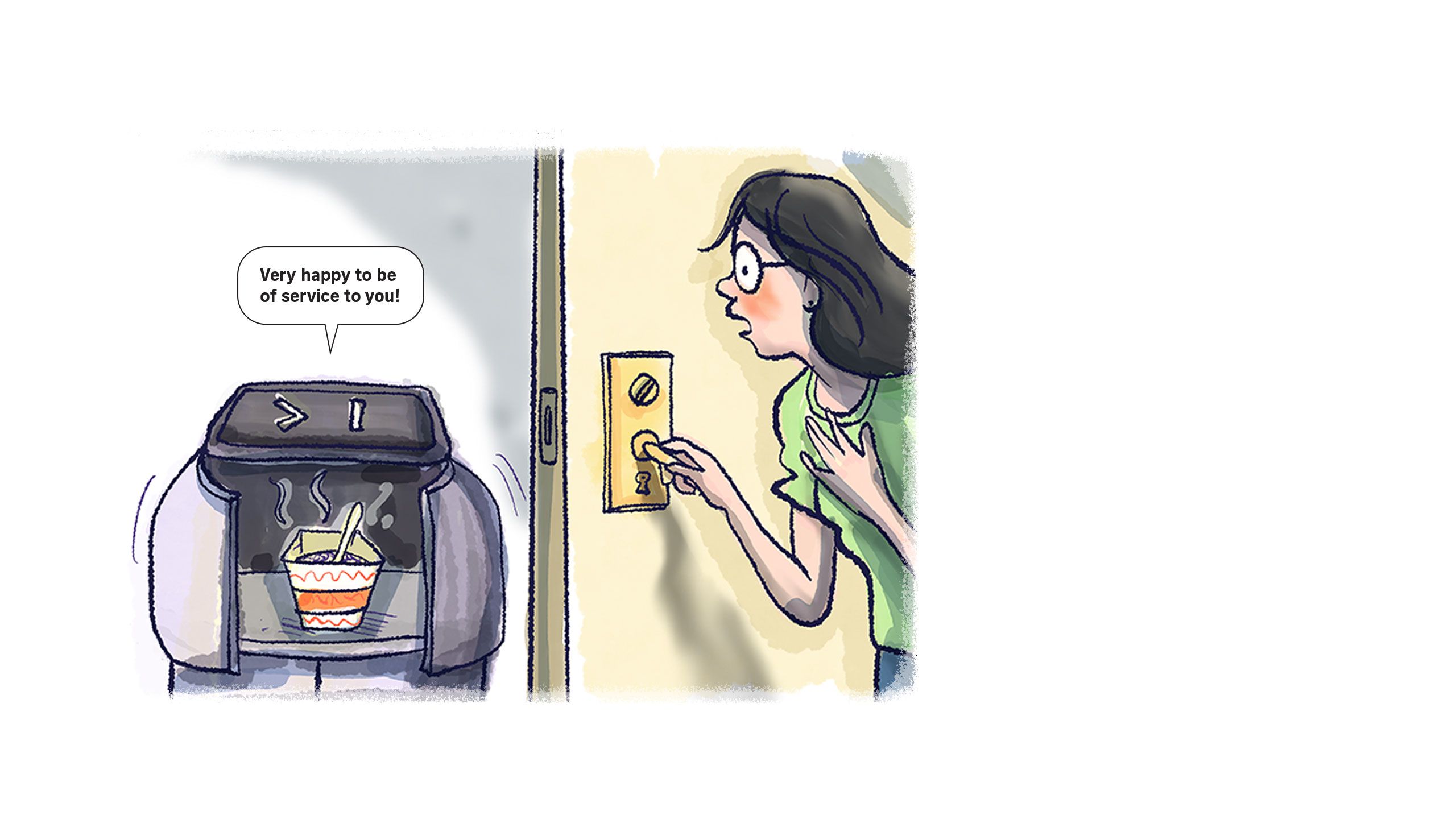

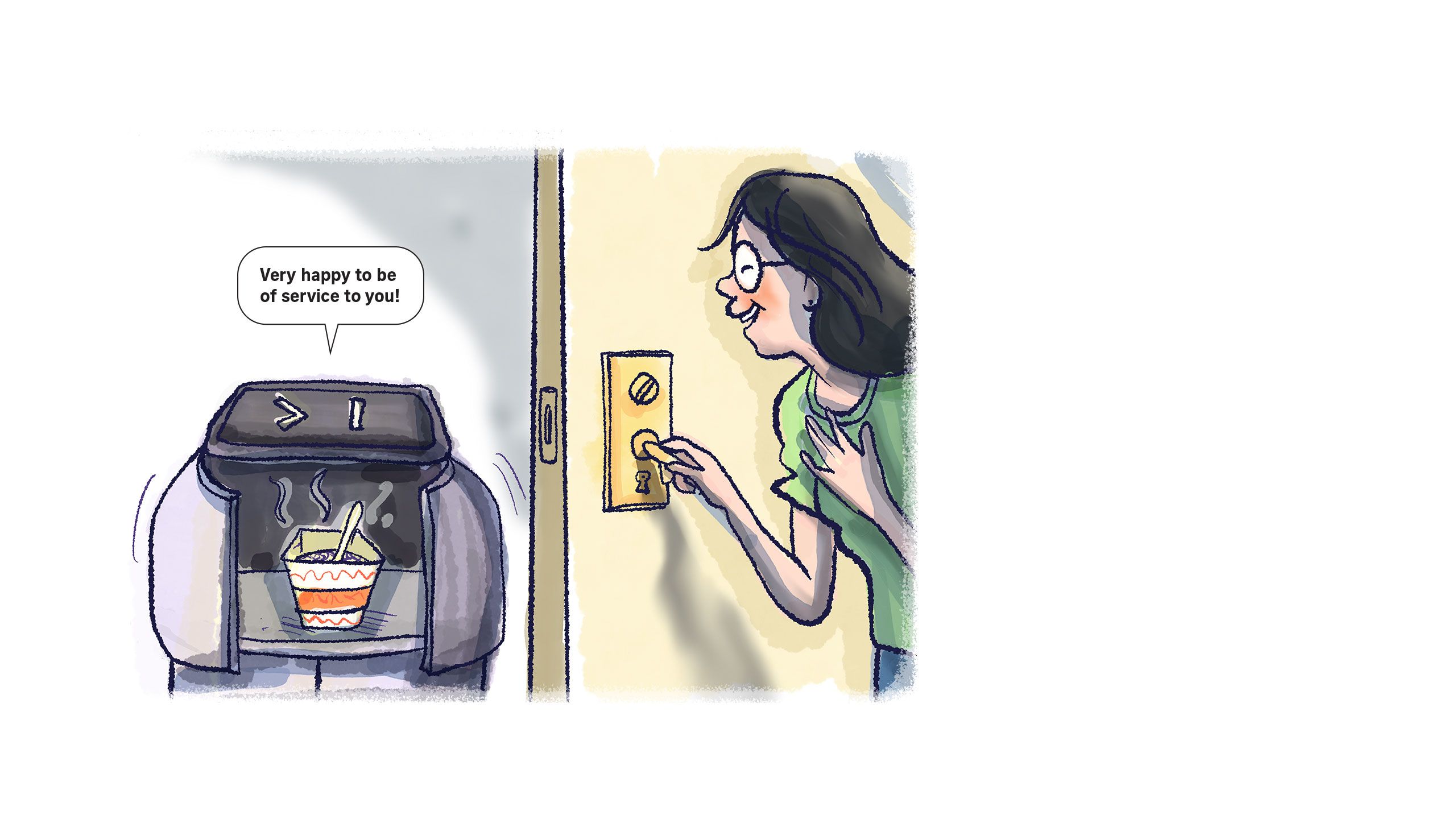
Living in a serviced apartment, I hear my delivery before I see it.
The phone in my room rings...
...when my breakfast arrives…
... and a robot appears at my door, chirping: “Very happy to be of service to you (很高兴为你服务).” Such deliveries are common in China’s hotels and office buildings.
Once I collect my food, the robot displays a sign telling me that I have accomplished a “mission”.
Explore by bicycle
Dozens of rental bicycles in shades of blue, turquoise and yellow ply the roads of Beijing. Situated on the North China Plain, the capital’s flat terrain and wide bicycle lanes make it easy for one to cycle around.

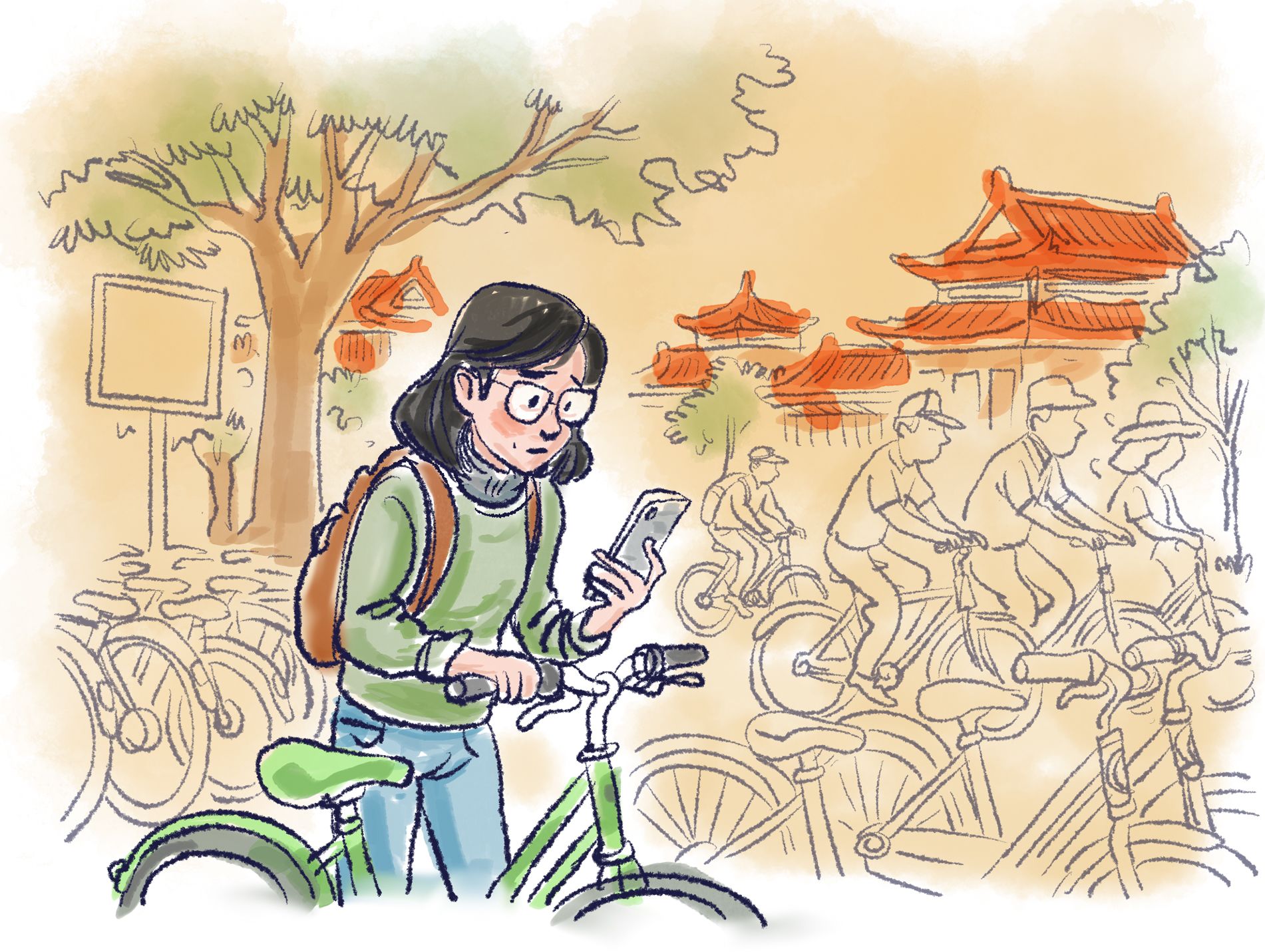
Scan a QR code and a bicycle is yours from 1.5 yuan (30 Singapore cents) for 15 minutes.

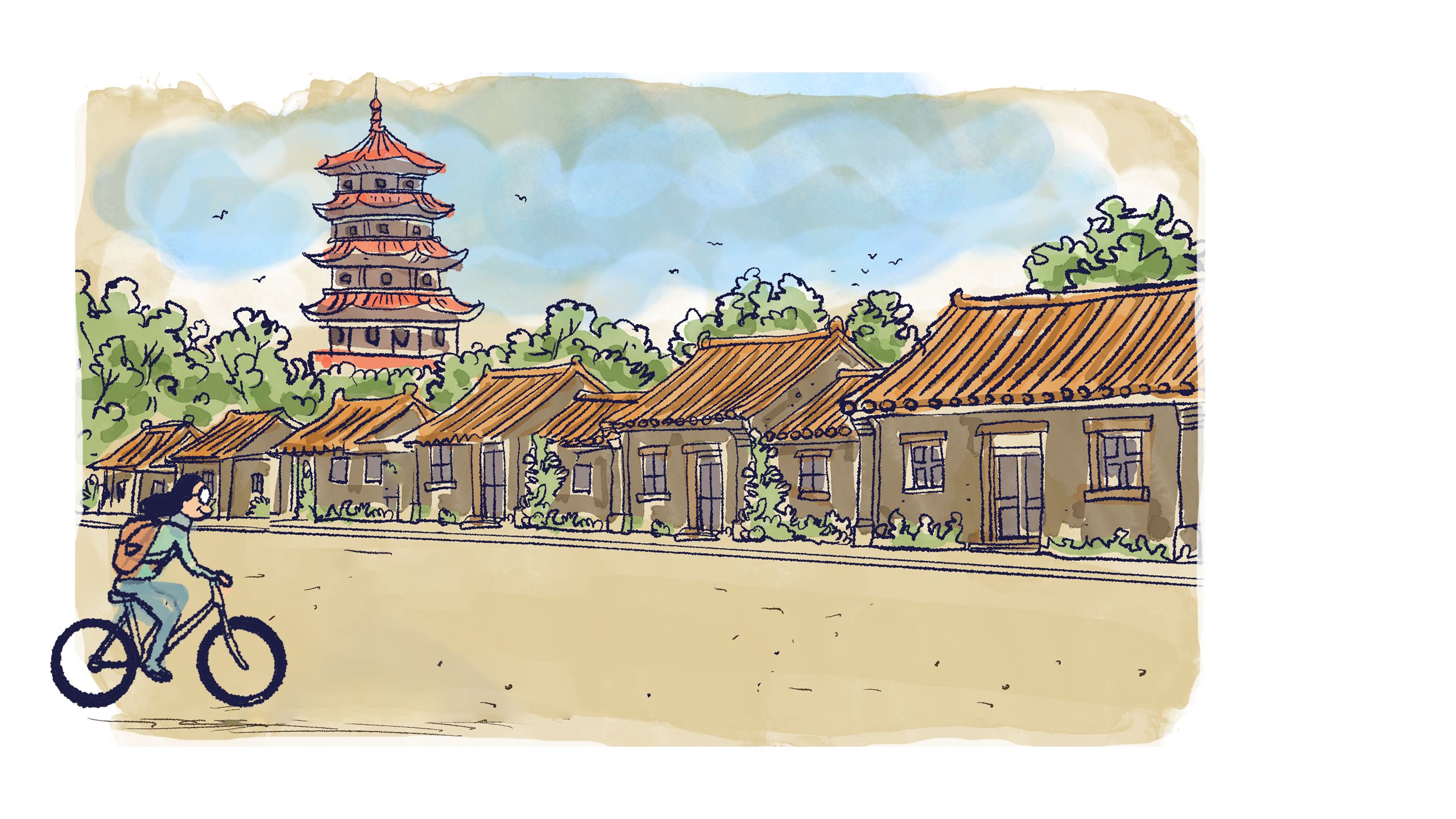

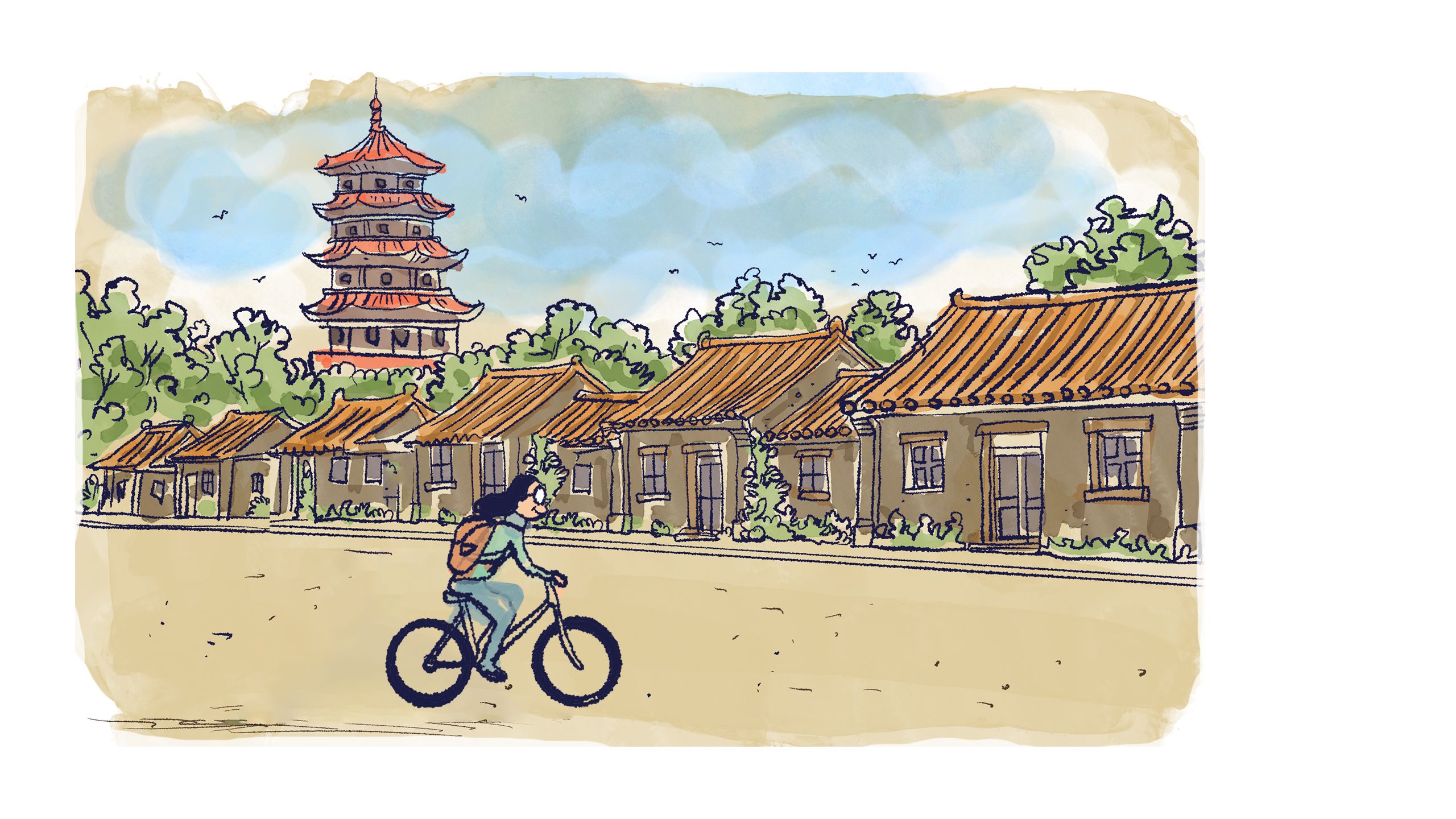

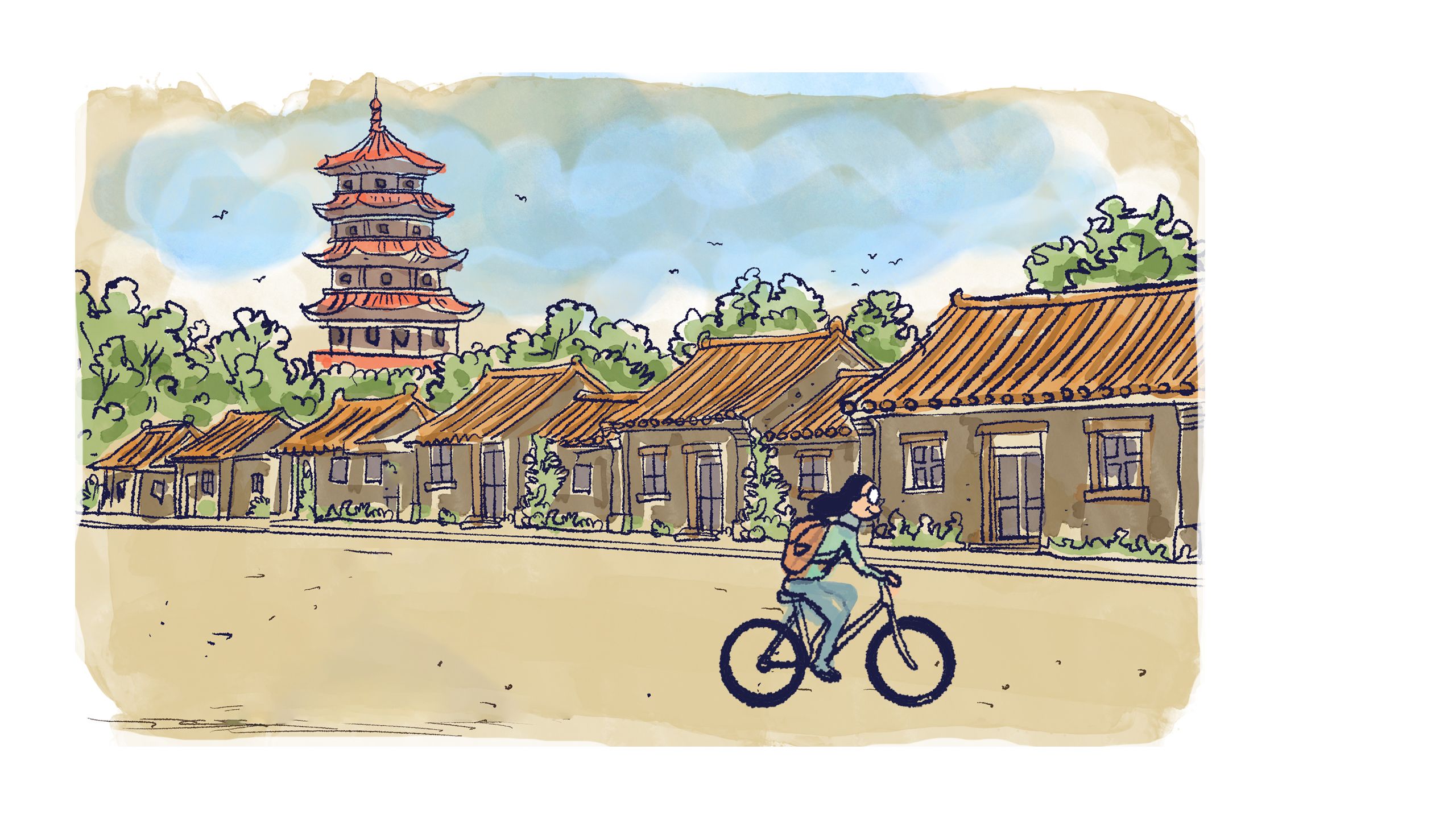
Of the bike-sharing services, HelloRide is the easiest to use because foreigners can rent the two-wheelers through a mini programme hosted on Alipay.
Other alternatives like Meituan require foreigners to submit their passport details, which can take a few days.
People-watch in parks
Parks are the social clubs of China. At Ditan Park, groups of seniors show off their physical prowess at the exercise corner, such as by competing to see who can last the longest on the pull-up bar.
A man practises dishu, or “ground calligraphy”, using a sponge-tipped brush and water on the park’s stone pavement.
A group of seniors gathers to dance and sing.
A group plays a game of jianzi, a traditional Chinese sport where players aim to keep a heavily weighted shuttlecock in the air using their bodies.
A musician plays the erhu, a two-stringed Chinese bowed instrument known for its evocative and voice-like sound.
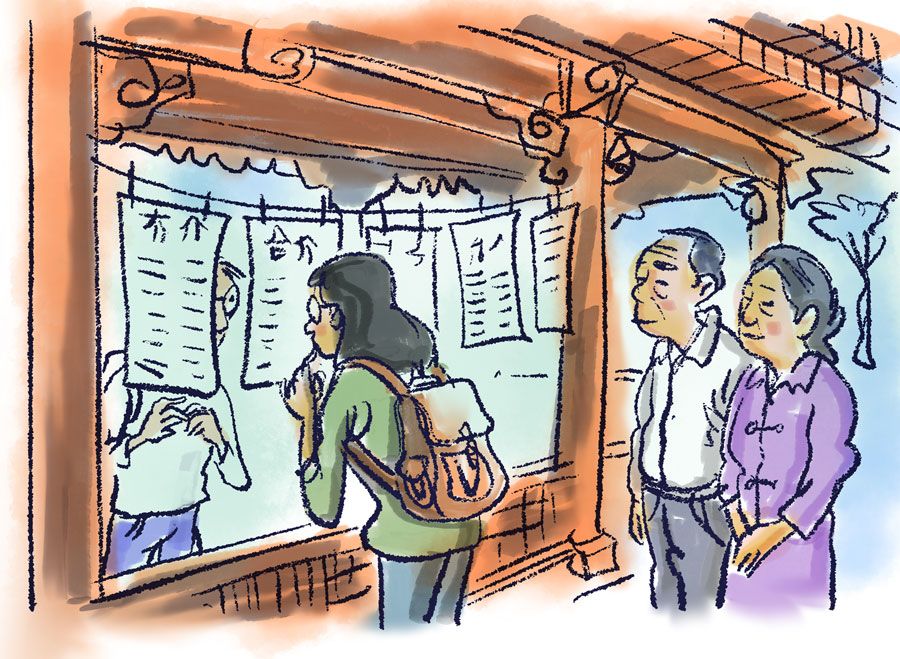
This park, as well as others in Beijing like Zhongshan Park and the Temple of Heaven, has its own “marriage market”, where parents exhibit their children’s biodata in the hope of matchmaking their offspring. It costs two yuan to enter the park.

Cafe-hop in alleyways

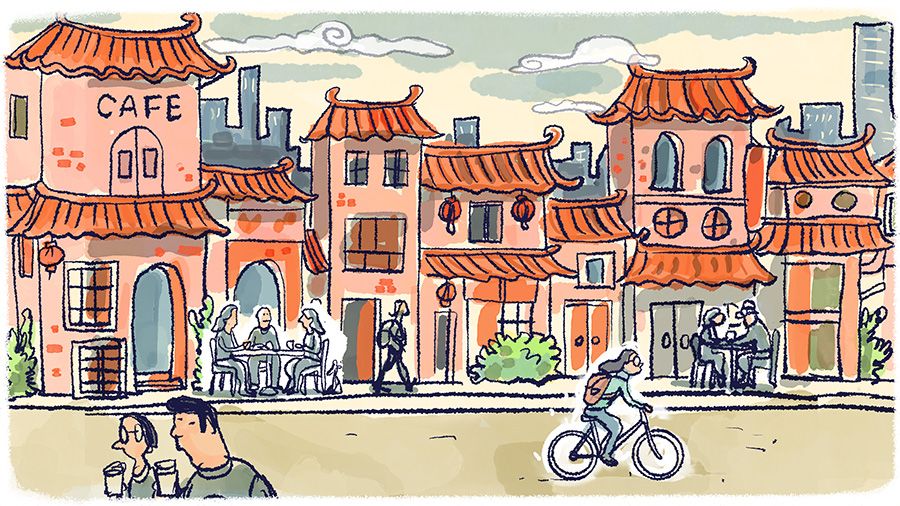
Hidden in a labyrinth of alleyways known as hutong are cafes and restaurants interspersed with homes and shops. Recommendations of popular spots can be found on social media apps like Xiaohongshu (xiaohongshu.com) and Dazhongdianping (dianping.com), where locals leave reviews and highlight interesting sights.

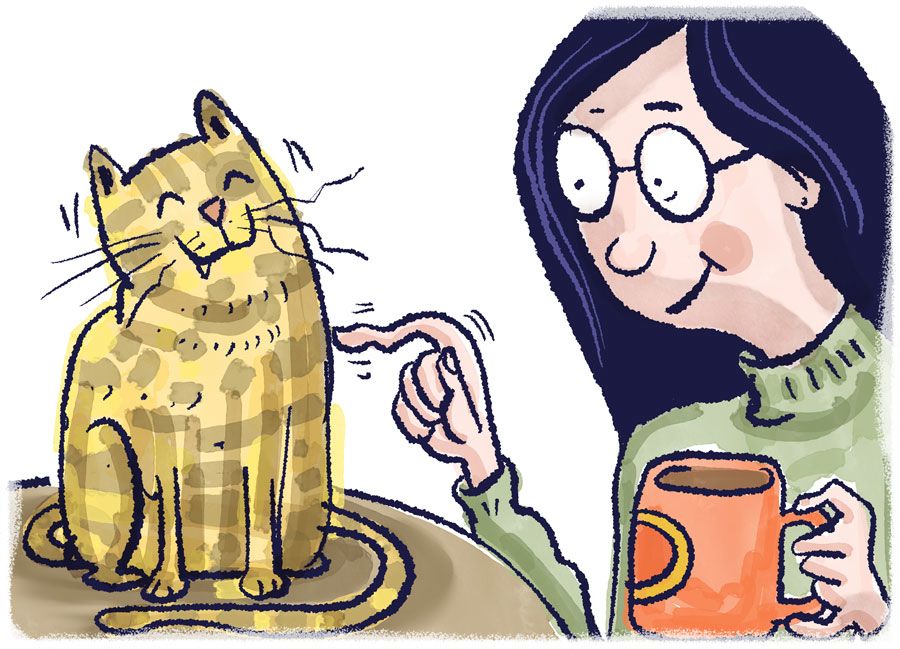
At a book cafe, I order and pay for a cup of coffee with a QR code. Many cafes in China have cats.
Making payments, adding contacts and downloading documents are part of the growing list of tasks that can be done using QR codes, which are fundamental to interactions in China. This means that communication with service staff is often limited to greeting them and receiving orders.
Explore the Central Business District
The Guomao Central Business District is home to glitzy futuristic skyscrapers, including the iconic CCTV headquarters dubbed “trousers” for its resemblance to the piece of clothing.
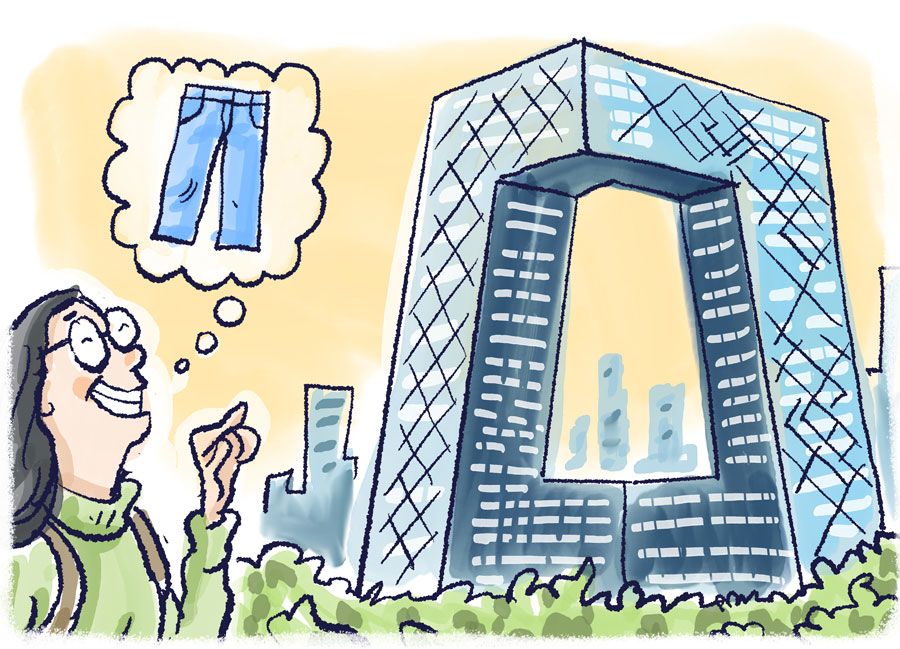
I discover a good view of the building thanks to posts on Xiaohongshu about China World Mall’s viewing gallery. This is known as a spot to “da ka”, which literally means “punching the card”. The trend, popularised on social media, involves posting photos of photogenic spots to prove that one has been there.


Hop on the subway
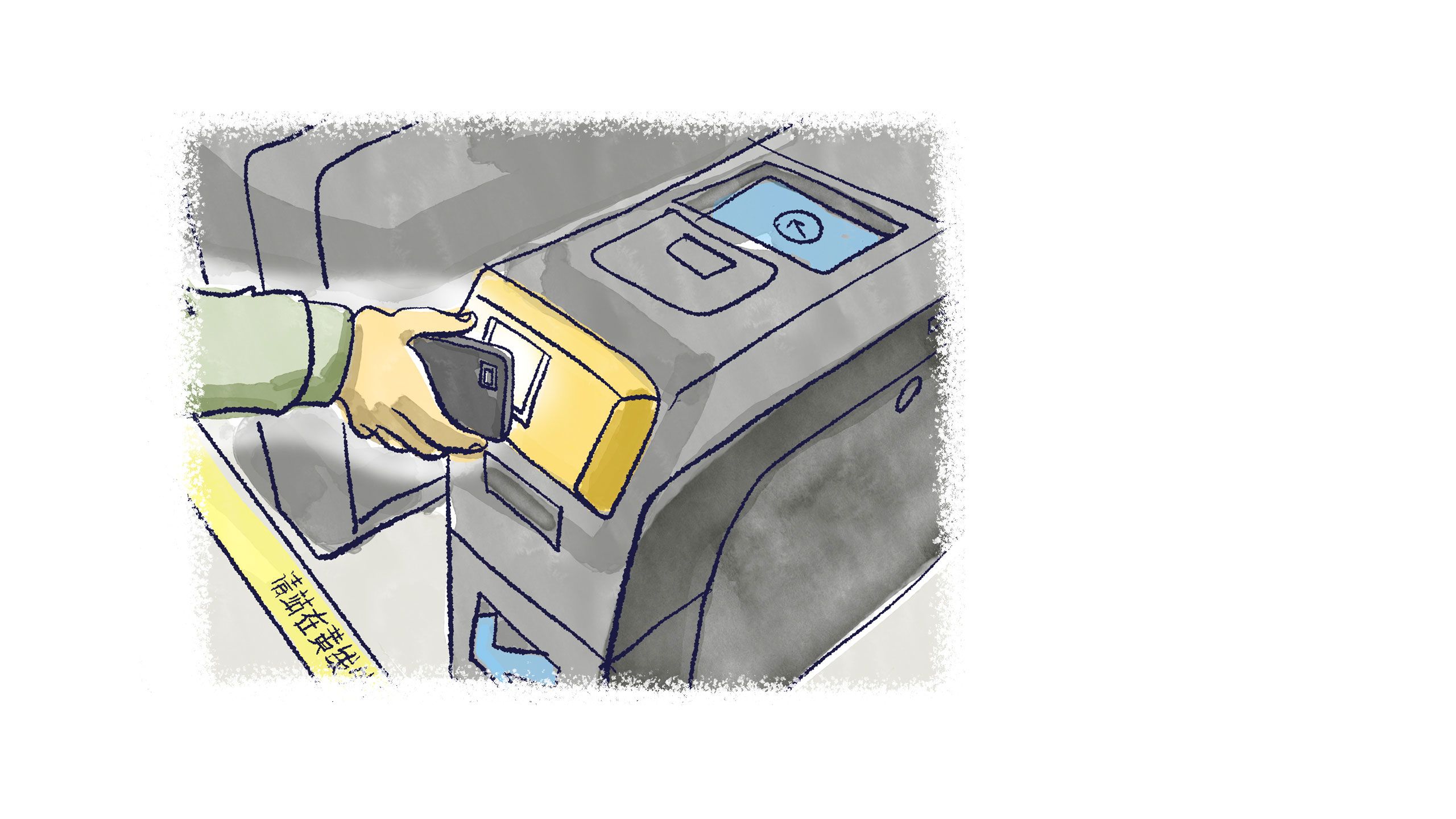
While approaching a subway gate, I prepare to scan the right QR code in Alipay. The practice is intuitive to locals, but I take some time to acclimatise.
Tourists can set up their QR code by using the transport feature in the app, selecting the city that they are in and choosing the mode of transport.
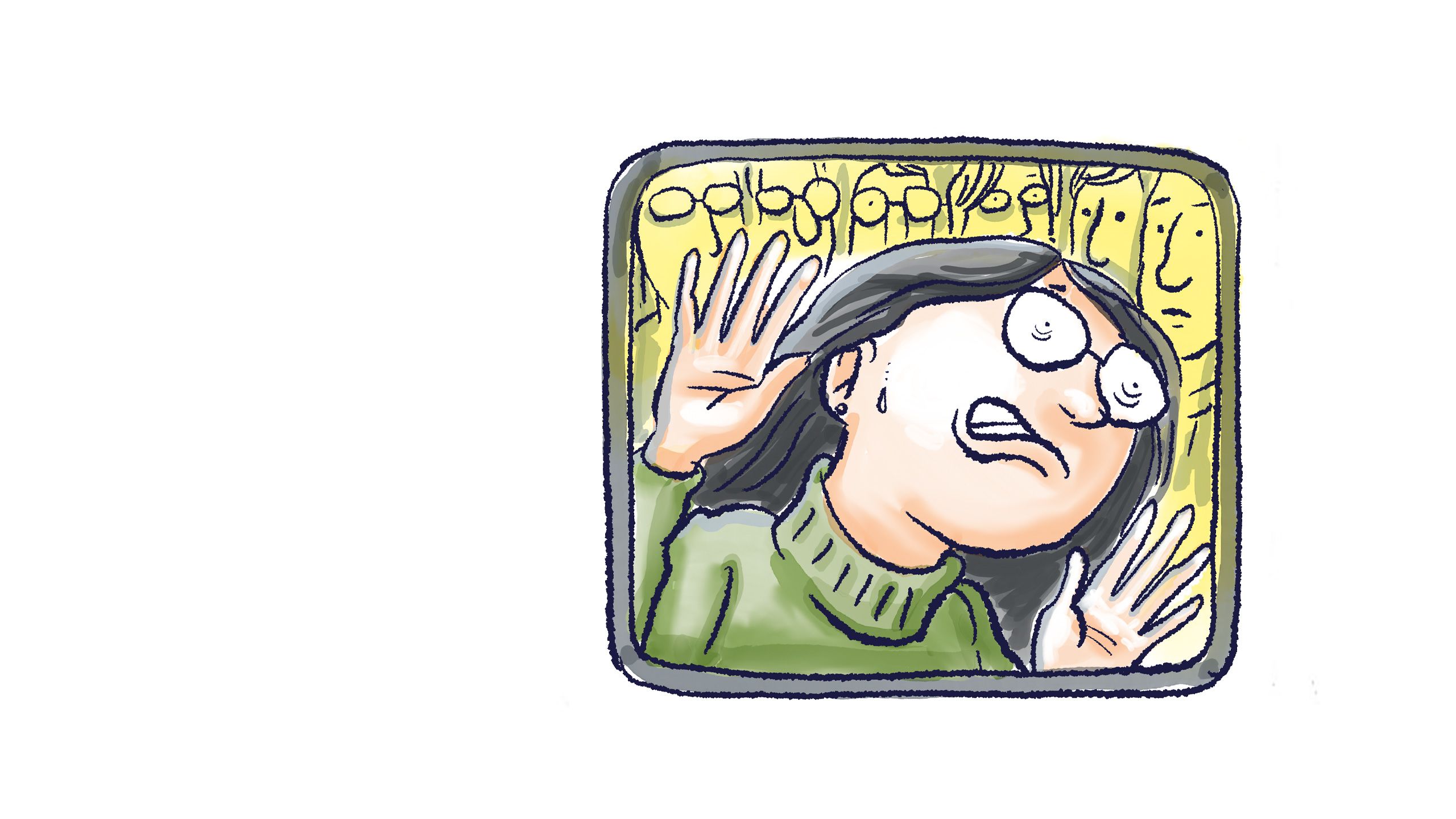
Subway rides, which are packed during peak hours, start at three yuan.
Tour the Olympic Park
In winter, several of the city’s stadiums are transformed into snow playgrounds.
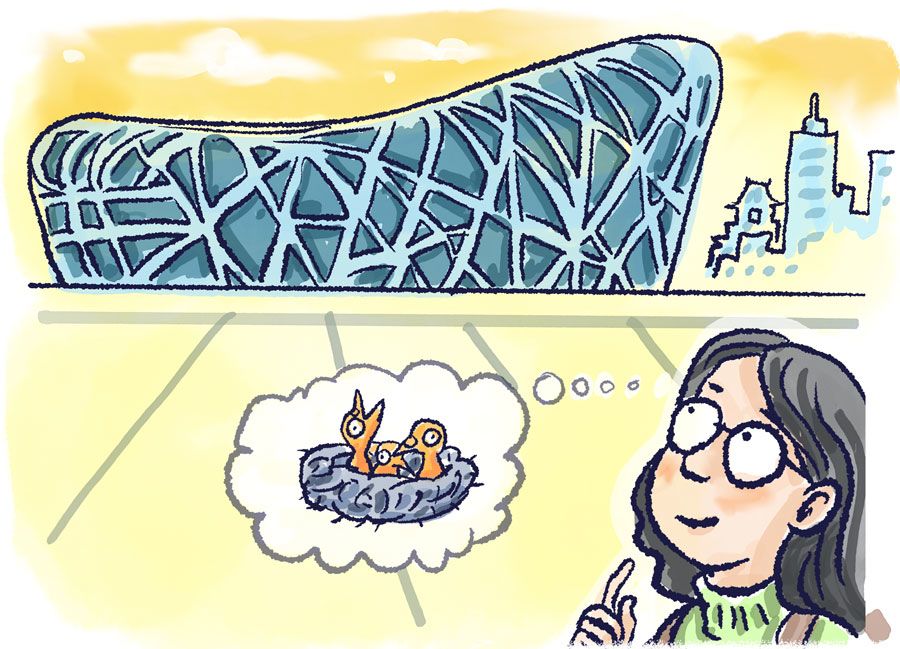
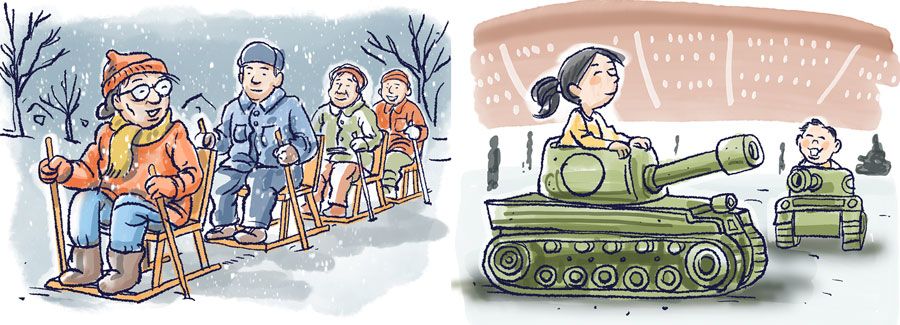
Inside the Beijing National Stadium, affectionately nicknamed the Bird’s Nest for its form, children slide down slopes of artificial snow, drive tank replicas and hurl snowballs at one another.

I relive China’s twin achievements of hosting the 2008 Summer Olympics and 2022 Winter Olympics by buying a ticket (120 yuan) that takes me through the Bird’s Nest, which was the venue for the Games’ opening and closing ceremonies.
Outside, I find people playing ice hockey and skating on seats around a frozen pond by propelling themselves forward with poles.
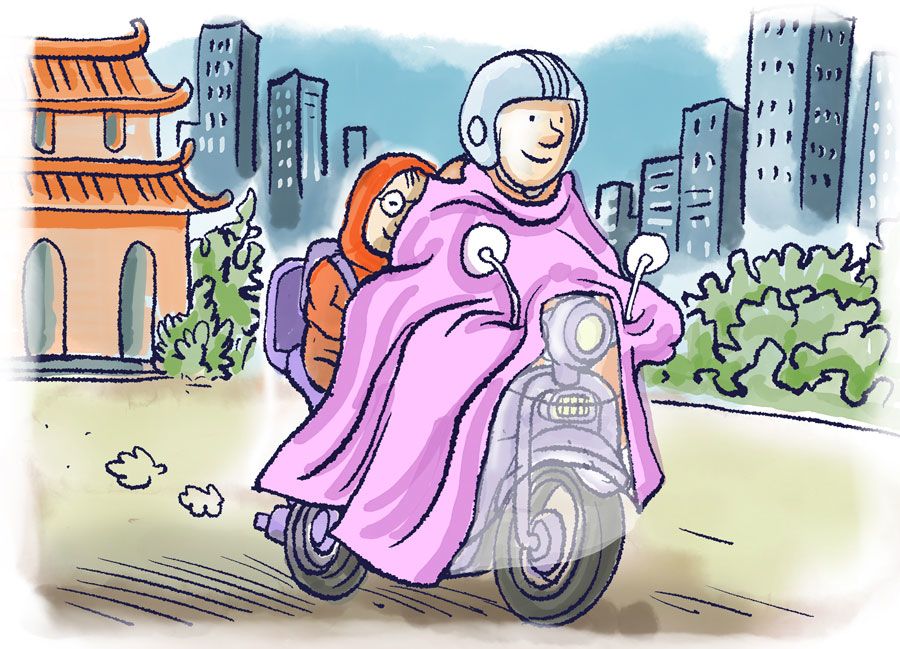
Next to the frozen pond, a man rides an electric scooter with a jacket attached. This is a regular sight during Beijing’s notoriously harsh winters. In 2021, for instance, temperatures plunged to a low of minus 19 deg C.


Visit Shougang Industry Heritage Park
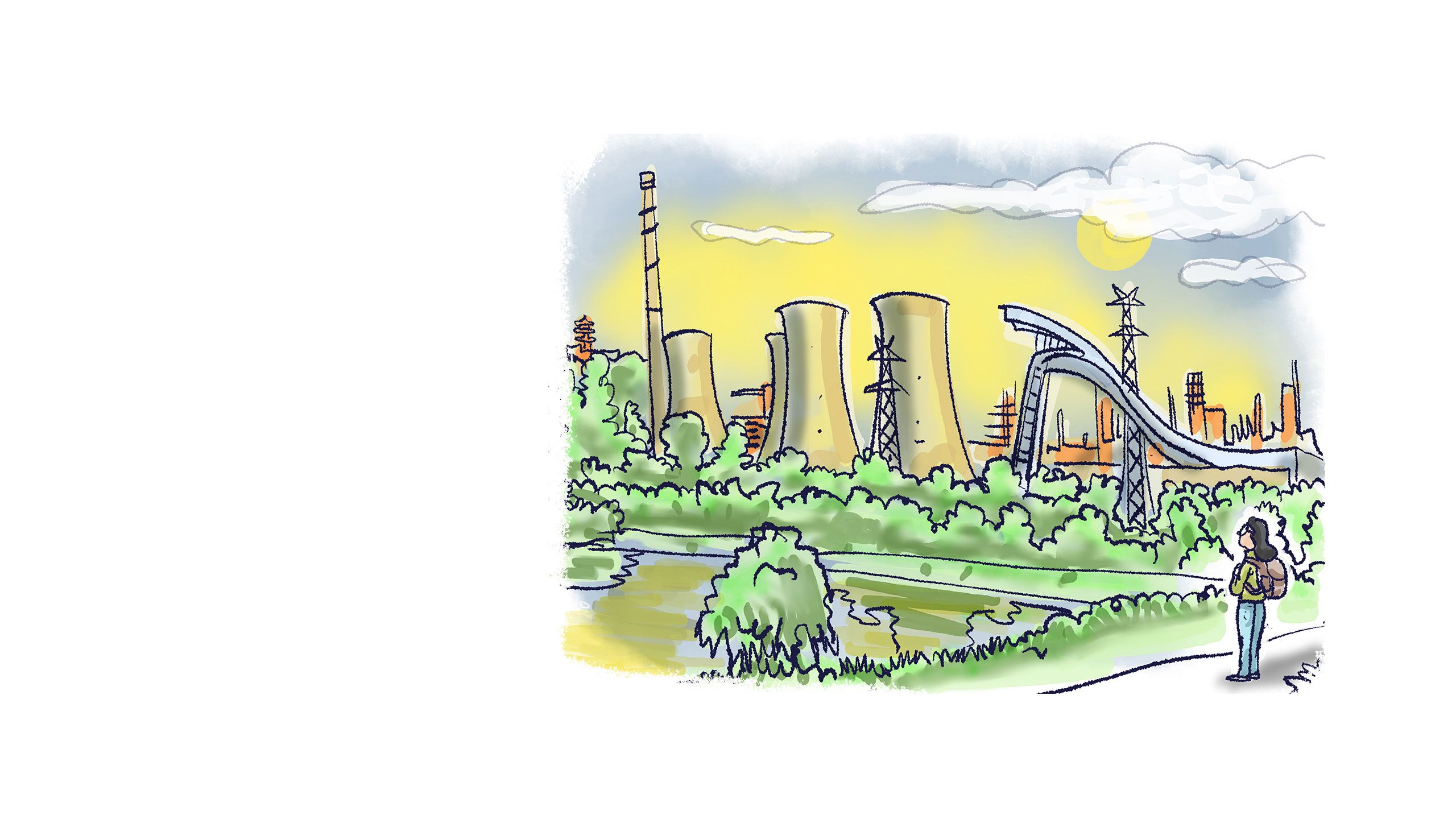
I take the train to Shougang Industry Heritage Park, an abandoned steel mill converted into a park that houses eateries, sports facilities, a science museum and other attractions.
Former cooling towers and blast furnaces offer a glimpse of what industrial life in Beijing was like before the factories were relocated in a bid to reduce pollution for the 2008 Summer Olympics.
From Xinshougang Bridge, visitors can get panoramic views of the park, including the iconic rainbow-hued ski jump used during the 2022 Winter Olympics.
The bridge is located at the westernmost end of the historic Chang’an Avenue, which runs perpendicular to Tiananmen Square.
Dinner at Wangfujing
Nothing hits the spot like sipping warm broth in winter. I take the train to the bustling Wangfujing shopping street to have hot pot.
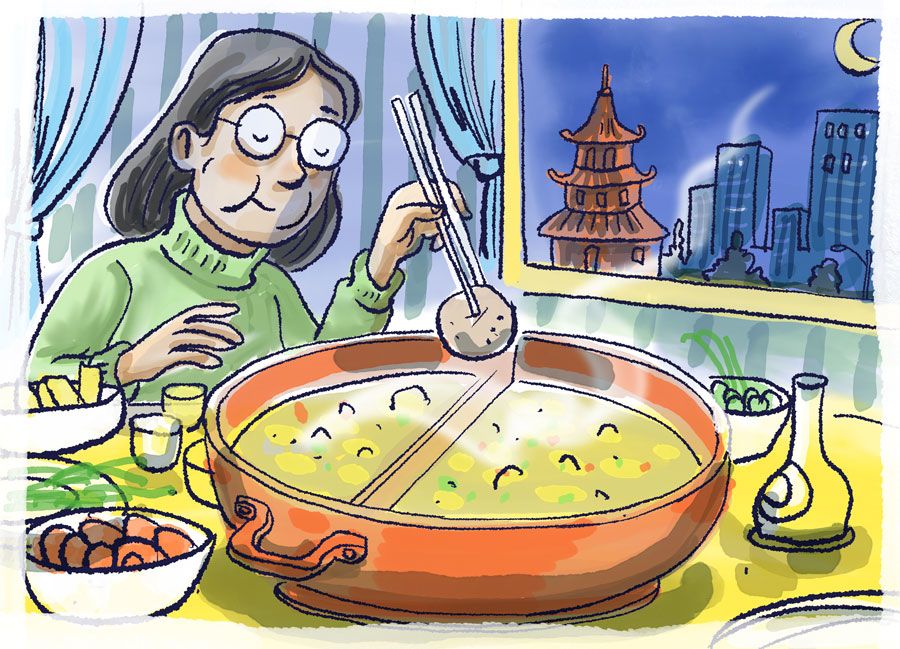
Beijing has a variety of cuisine from China’s provinces and regions. There are more than 10 styles of hot pot, ranging from the numbingly spicy soup of Sichuan to the aromatic mushroom broth of Yunnan. Expect to pay around 150 yuan a person at popular chains such as Haidilao and Donglaishun, compared with $40 a person at Haidilao in Singapore.
Shop for souvenirs offline or online
When I return to my apartment, I browse the Taobao app or shops on WeChat for souvenirs that have caught my eye along Wangfujing. This allows me to find similar trinkets and buy artwork directly from artists instead of through intermediaries.
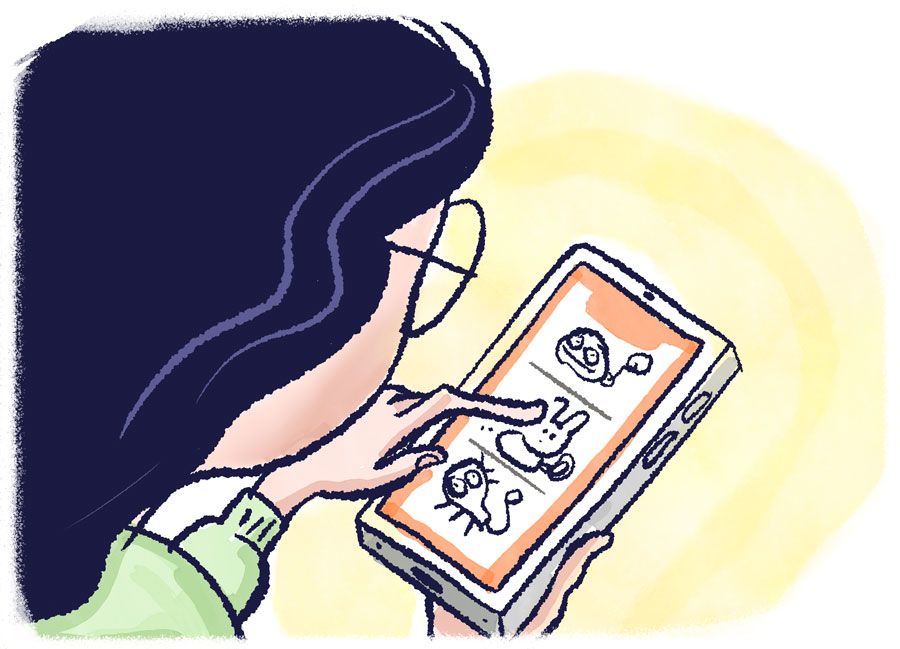
With the ease and convenience of ordering groceries, everyday products and food online in Beijing, you can live largely indoors without venturing outside. But exploring the city in person has made my time here a lot richer.


Nearly a year has passed since my stint in Beijing, but the sights and flavours of the northern capital still linger in my dreams.
 Built with Shorthand